

Within today's challenging shopping landscape, a well-executed shop fit out is more than just a basic requirement; it's a powerful tool that can transform your enterprise. Whether you're launching a brand new retail location or updating an older environment, the way you design your environment can have a significant effect on the experience of customers and eventually, revenue. Through maximizing the efficiency of space to designing striking showcases, each element plays a vital role in shaping how customers view your business and interact with your products.
As we look toward the prospects of retail, it is critical to keep up with the most recent store design developments and to grasp the essential factors that contribute to a thriving fit out. This piece will explore innovative store design concepts that reflect modern aesthetic principles, examine expert resources available for companies aiming to build an attractive environment, and provide useful advice for budgeting and planning your store renovation. By using Shop Fit Out Somerset and execution, your store design can turn into a pivotal element of your brand's achievements.
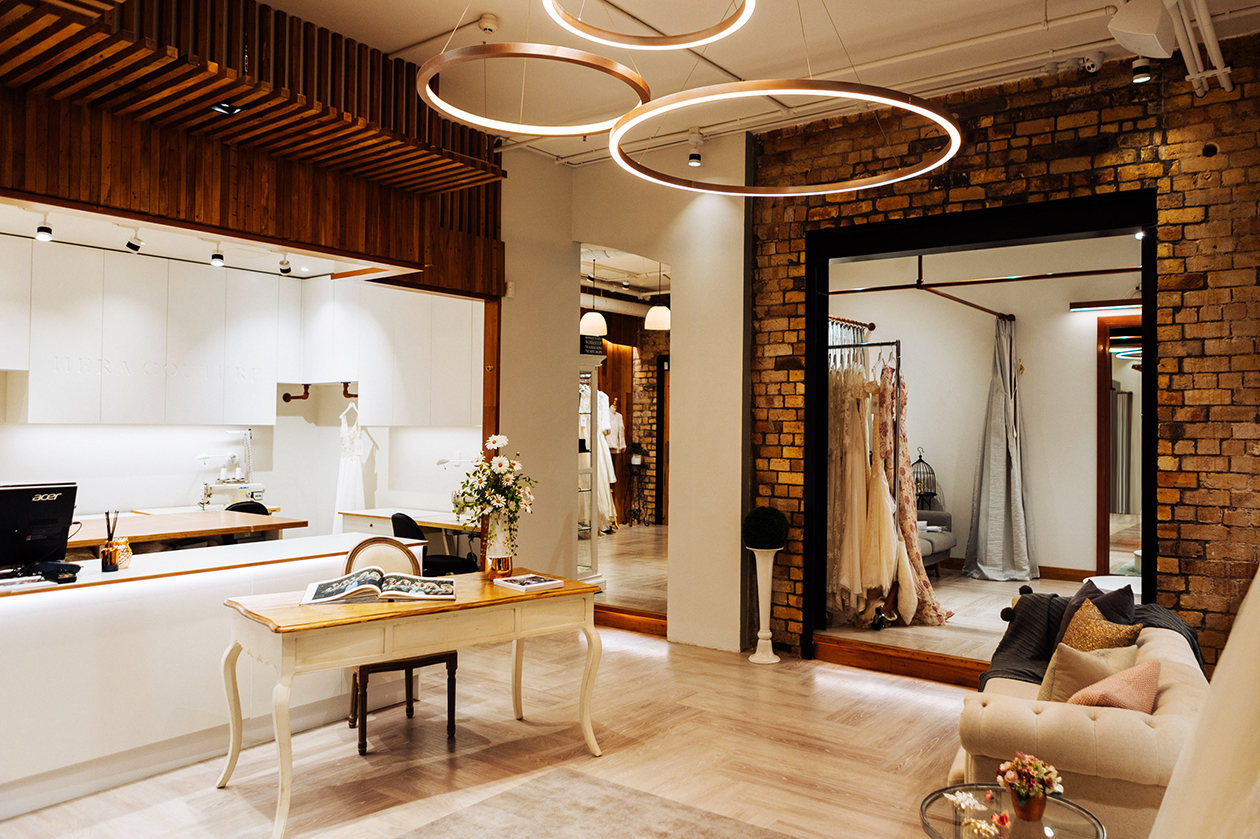
Essential Shop Store Design Strategies
A crucial of the most significant strategies in a winning shop fit out is to prioritize the client journey. It requires establishing an welcoming environment that encourages buyers to spend more time in your retail space. Features such as strategic lighting, cozy seating, and an intuitive design can greatly enhance the overall retail experience. A thoughtful layout not just lures customers but also supports their flow and engagement with the products.
Additionally, another essential strategy is optimizing space. Smart use of available space can lead to an growth in sales and better operational efficiency. This may entail using upward space for displays, implementing flexible fixtures that can conform to shifting inventory, and ensuring that the design fosters easy movement throughout the shop. By enhancing space efficiency, store owners can showcase more products while maintaining a pleasant shopping experience.
Finally, remaining current with trending design styles plays a vital role in retail layout success. Trends such as sustainability, digital integration, and experience-driven design are changing the retail scene. By integrating these elements into your layout, you not just align your brand with consumer preferences but also differentiate your shop apart from the competition. Observing emerging trends ensures that your shop remains relevant and appealing to modern customers.
Trends and Trends in Commercial Space Design
As we gaze into 2026, commercial space design is transforming with a focus on crafting immersive experiences for consumers. Modern shoppers are attracted to spaces that offer more than just products; they seek involvement and hands-on experiences. Incorporating digital tools through augmented reality and engaging screens allows brands to showcase their products in creative fashions, transforming a ordinary shopping outing into a memorable experience. Retail spaces are increasingly configured to promote customer engagement, leading to extended stays and greater connection to the store.
Eco-friendliness continues to be a prominent issue in shop interior developments as buyers favor green initiatives. Retailers are pursuing sustainable resources and low-energy layouts that not just lower their environmental impact but also attract environmentally conscious shoppers. This transition towards sustainability features the use of repurposed items in displays and fittings, as well as sustainable lighting solutions that improves the overall aesthetic while being sustainable. Being conscious of green initiatives not only meets consumer preferences but also reflects a brand's investment in eco-conscious approaches.
Boosting space utilization has become crucial in retail design, especially for little shops. Innovative designs that make the best use of every unit of space enable retailers to display more products while maintaining a inviting space. Multi-purpose setups and multi-functional spaces that can be easily changed for various promotions allow stores to stay dynamic. By blending intelligent design ideas and zoning strategies, retailers can create fluid customer journeys that lead shoppers through the store, enhancing both participation and earning capacity.
Overseeing a Successful Fit Out Process
To manage a effective fit out project, strategic preparation is essential. Begin by defining your aims and concept for the retail space. Consider how the shop fitting out can reflect your brand identity while enhancing customer involvement. Engaging with professional shop fitout providers prior in the planning phase can offer valuable understanding and help facilitate the procedure, ensuring that all aspects are in sync with your business objectives.
Communication is another essential element during the fit out process. Frequent check-ins and cooperative discussions with your contractor and design team can help to tackle any challenges that may occur. Creating clear deadlines and duties will not only keep the process on track but also boost efficiency. It is crucial to be receptive and open to changes, as unexpected problems can often arise during the development stage.
Finally, once the fitting out is finished, conducting a thorough assessment is crucial for assessing success. Obtain feedback from team members and customers to determine how well the new design and plan meet their requirements. Examining revenue data post-fit out can yield insights into the impact of the changes implemented. This concluding assessment will inform future improvements and demonstrate the benefit of investing in a premium shop fitting out.